Create a Smoother, Safer, and More Functional Outdoor Space
yard leveling improves landscape design and usability by creating a smooth, even surface that supports healthy grass, safe walkways, and better drainage. When your yard is flat and balanced, it is easier to mow, plant, build patios, and enjoy outdoor time. A level yard also helps prevent water pooling and soil erosion, which can damage plants and hardscapes. Whether you want a play area, garden beds, or a seating space, starting with yard leveling makes every other upgrade work better.
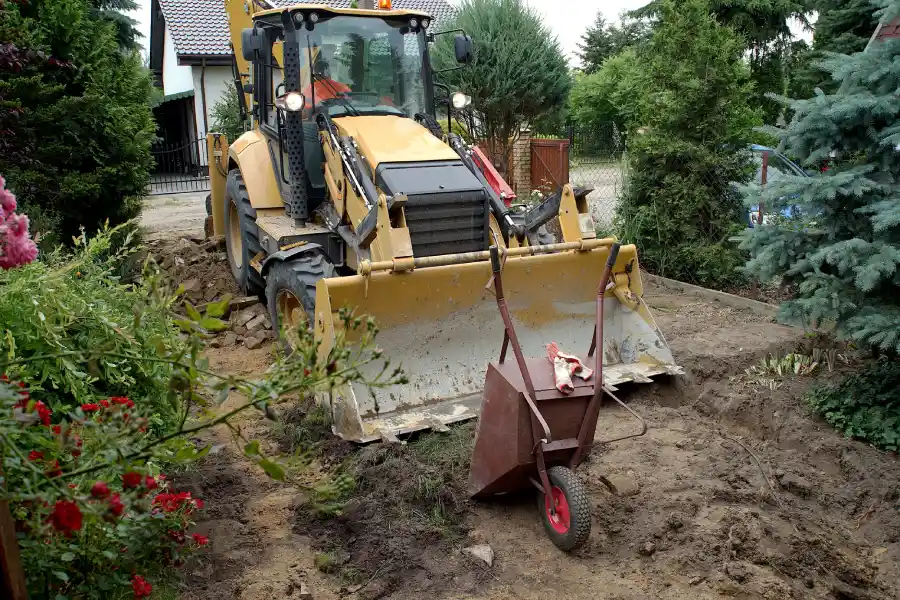
Start With a Clear Plan for Your Space
Before you begin yard leveling, think about how you want to use your yard. Do you want space for kids to play? Are you planning a patio or fire pit? Do you need better drainage away from your home? Clear goals help guide the grading process.
Check your yard after a heavy rain. Look for low spots where water sits. Notice steep slopes that make mowing hard. These problem areas often shape the design plan. In many landscaping and outdoor improvement projects, the ground surface sets the stage for everything else.
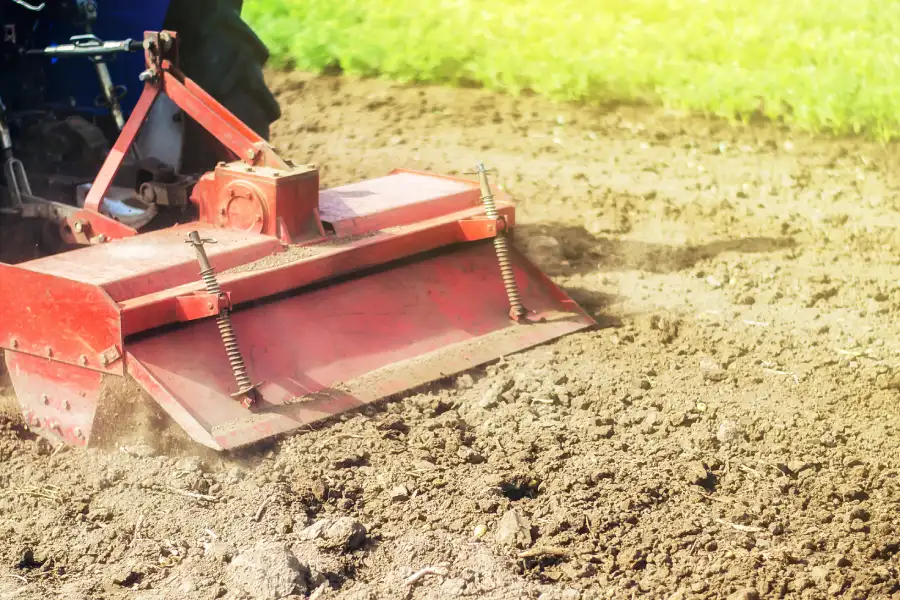
Basic Steps in the Yard Leveling Process
yard leveling can be simple for small areas, but larger yards may need professional equipment. Here is a general step-by-step overview:
- Mark high and low spots using stakes and string.
- Remove grass or sod in uneven sections.
- Add or remove soil to create a smooth, even grade.
- Compact the soil to reduce future settling.
- Replace sod or seed new grass.
In some cases, drainage solutions like adding a slight slope away from the home are part of yard leveling. The goal is to guide water safely off the surface without causing erosion.
Common Mistakes That Hurt Design and Function
One mistake is making the yard perfectly flat without planning drainage. A yard needs a gentle slope so rainwater flows away from the house. Without it, water can collect near the foundation.
Another issue is using poor-quality fill dirt. Debris-filled soil can sink over time. This creates dips and uneven patches again. Skipping compaction is also a problem. Loose soil settles after a few storms, which affects patios, walkways, and garden beds built on top.
Some homeowners try to level only the visible surface. If the base soil is unstable, the problem comes back. Good yard leveling focuses on both surface and support layers.
How a Level Yard Improves Landscape Design
A smooth yard acts like a blank canvas. It makes design ideas easier to install and maintain. Straight walkways sit evenly. Garden borders look clean. Outdoor furniture does not wobble.
Here are a few ways yard leveling boosts usability:
- Creates safer play areas with fewer trip hazards.
- Makes mowing faster and easier.
- Supports even irrigation coverage.
- Prevents water damage to plants and structures.
- Improves the overall look of the property.
When the base is solid, features like retaining walls, patios, and raised beds last longer. The finished yard looks neat and feels comfortable to use every day.
When to Call a Professional
Small dips can often be fixed with topsoil and a rake. Large slopes, drainage problems, or foundation concerns are different. If water flows toward your home or large sections of lawn sit underwater, expert help is a smart choice.
Heavy equipment may be needed to move soil safely. A professional team can measure grade accurately and plan proper runoff. This is especially helpful before installing outdoor living features. Quality yard leveling protects your investment in landscaping and outdoor improvement upgrades.
Build Your Project on a Strong Foundation
If your yard in Lincoln Park, NJ feels uneven, muddy, or hard to use, yard leveling can make a big difference. At A&M Excavating, we help homeowners reshape and prepare their outdoor spaces for better design and daily use. We focus on safe grading, proper drainage, and long-term results. Call us at (862) 832-8318 to talk about your goals and schedule a consultation with our team.