Creating the Right Slope to Move Water Away From Your Home
yard leveling supports proper drainage solutions by shaping your soil so water flows away from your home instead of pooling near it. When your yard is flat in the wrong spots or dips toward your foundation, rainwater has nowhere to go. That can lead to muddy patches, standing water, and even water damage. By adjusting the slope and smoothing uneven ground, yard leveling helps water drain the way it should.
Quick Diagnosis Summary
If you notice puddles that stick around for days, soggy grass, or water near your foundation after a storm, your yard may not be graded correctly. Even small low spots can hold a lot of water. Over time, this can harm your lawn and affect your home. yard leveling corrects these slope problems and supports stronger drainage solutions across your property.
Common Symptoms of Poor Drainage
Many drainage issues show up in simple ways. Watch for these signs:
- Water pooling near your home’s base
- Soft, muddy areas that never dry out
- Grass turning yellow or dying in patches
- Water flowing toward patios or walkways
- Erosion or washed-out soil after heavy rain
These problems often mean the yard does not guide water away from key areas. Instead, it traps water or lets it flow in the wrong direction.
Likely Causes of Standing Water
Poor slope is one of the main causes of drainage trouble. Over time, soil settles. This creates dips and uneven spots. In some cases, heavy foot traffic or construction work compacts the ground. That stops water from soaking in.
Another common issue is improper grading during original construction. If the ground was not shaped to move water away from the house, water may collect close to the foundation. Clogged drains and short downspouts can add to the problem, but the root cause is often the yard’s shape.
What to Check First
Before starting a fix, take a close look at your yard during or right after rainfall. Notice where the water flows and where it stops. Check these areas first:
- The slope around your foundation
- Low spots in the lawn
- Areas under downspouts
- Edges near driveways and sidewalks
The soil should slope away from your home. A gentle grade is usually enough to keep water moving in the right direction. If you see water moving toward the house, yard leveling may be needed as part of a larger service category keyword related to drainage and grading work.
Safe Fixes Vs Pro-Level Fixes
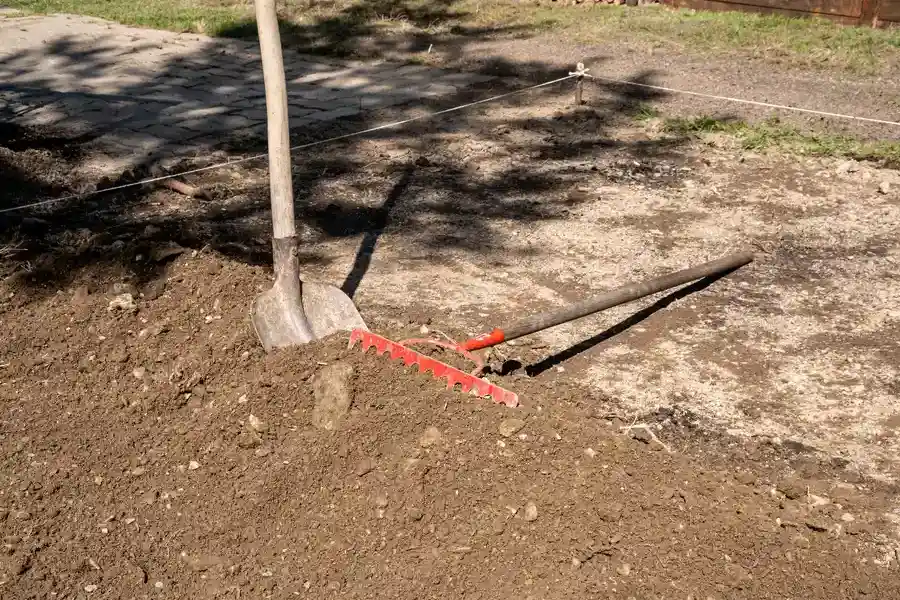
Small low spots can sometimes be fixed by adding topsoil and reseeding grass. This works well for shallow dips in open areas. You can spread soil, compact it lightly, and shape it so water flows outward.
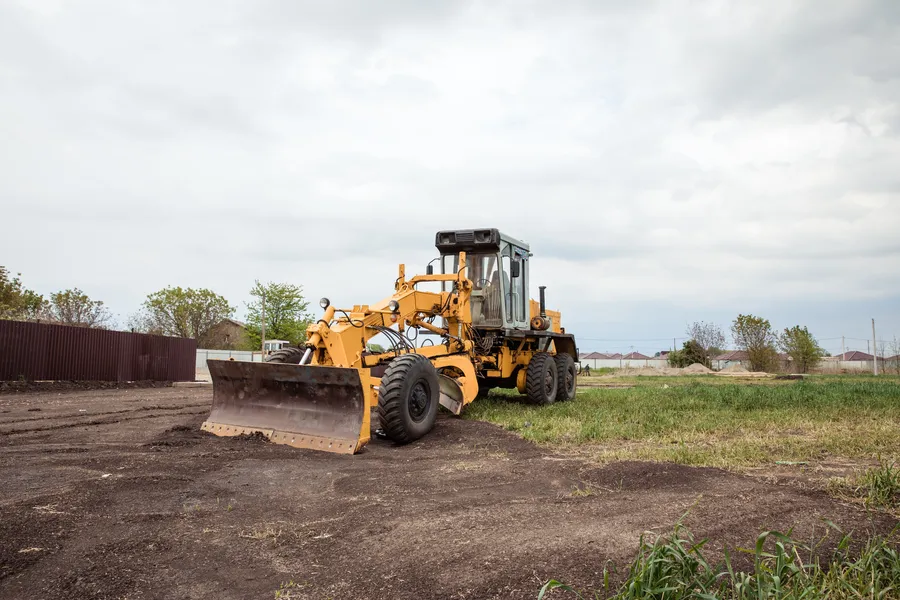
More serious slope problems call for larger changes. This may include moving soil across wide sections of the yard, compacting new layers, or reshaping the grade along the foundation. In some cases, yard leveling is combined with drainage solutions like french drains or extended downspouts. These projects require the right tools and an understanding of how water moves across land.
If grading is done wrong, it can make drainage worse. That is why large-scale reshaping is often best left to trained crews.
How Yard Leveling Helps Prevent Future Damage
When your yard is graded the right way, water flows away from your home and toward safe drainage points. This helps:
- Protect your foundation from cracks and leaks
- Reduce basement moisture problems
- Keep lawns healthy and dry
- Prevent soil erosion
- Protect patios and walkways from shifting
Good drainage also makes your yard easier to maintain. Mowing is smoother on level ground. Grass grows more evenly. You avoid muddy spots that attract pests.
Prevention Tips for Long-Term Results
After completing yard leveling, regular upkeep keeps drainage working well. Make sure downspouts direct water several feet away from your home. Clear leaves and debris from swales and drainage paths. Check for new low spots each year, especially after heavy storms.
If you add garden beds, patios, or play areas, think about how they affect water flow. Small changes can block natural drainage. Planning ahead keeps water moving in the right direction.
Get Professional Help in Lincoln Park, NJ
If you are dealing with standing water or slope problems in Lincoln Park, NJ, the team at A&M Excavating can help reshape your yard for better drainage. We use proper grading methods and proven yard leveling techniques to guide water away from your home and protect your property. Call us at (862) 832-8318 to schedule an assessment and let us help you create a yard that drains the way it should.