How to Safely Sort, Remove, and Dispose of Debris After a Teardown
Managing debris after demolition starts with sorting materials, setting up safe removal, and following local disposal rules. Once a structure is torn down, you are left with piles of wood, concrete, drywall, metal, and dust. If you do not handle that debris the right way, it can slow your project, create safety hazards, and even lead to fines. A clear plan helps you move from teardown to cleanup without delays.
What You Need Before Starting Cleanup
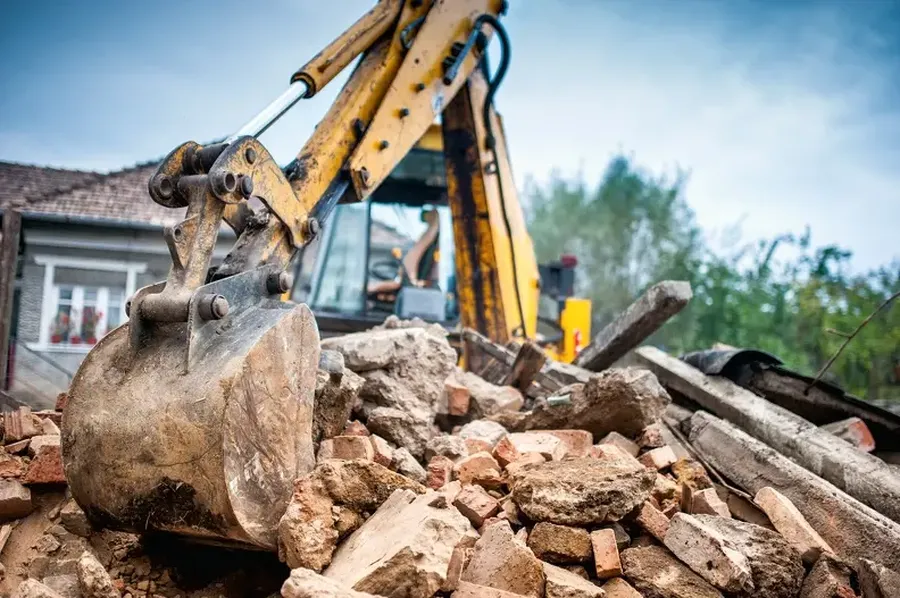
Before you begin hauling anything away, gather the right tools and supplies. Cleanup after demolition services is not just about picking up scrap. It involves heavy material and sharp edges.
- Heavy-duty gloves and steel-toe boots
- Safety glasses and dust masks
- Large tarps and trash bins
- Roll-off dumpster or hauling trailer
- Magnet sweeper for nails and metal pieces
You should also check local rules for construction waste. Some items can go to a regular landfill. Others, like certain insulation or treated wood, may need special handling. Planning this step early prevents last-minute stress.
Step-by-Step Process for Clearing Demolition Debris
Breaking the cleanup into clear steps makes the job easier and safer.
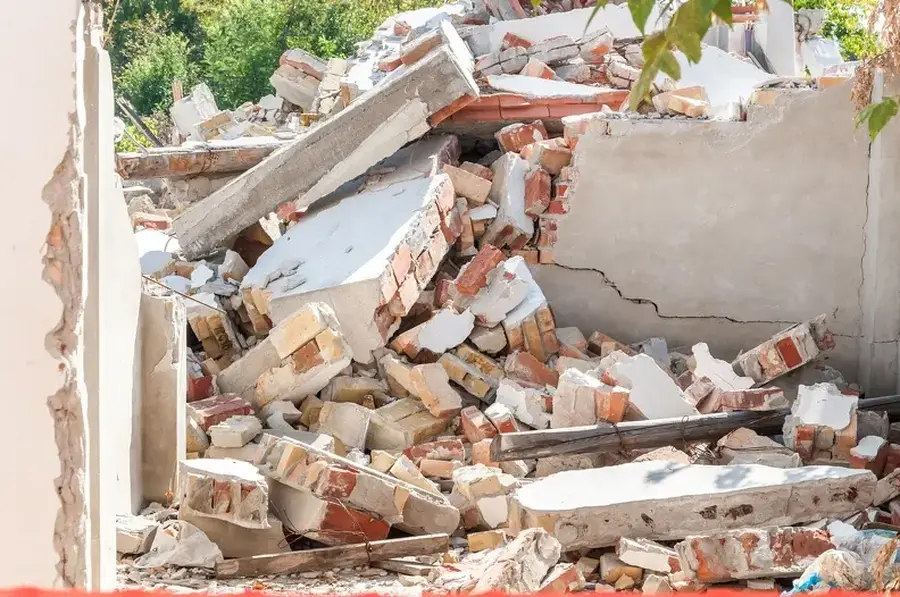
- Separate materials by type. Create piles for wood, metal, concrete, and mixed waste.
- Remove large pieces first. This clears space to reach smaller debris underneath.
- Check for hazardous items. Old paint, chemicals, or asbestos should be handled by trained crews.
- Load dumpsters evenly. Spread weight out to avoid tipping or overloading.
- Sweep and magnet-scan the area. Pick up nails and sharp scraps left behind.
- Schedule recycling or landfill drop-off. Follow local disposal guidelines.
Sorting materials can lower disposal costs and cut landfill waste. Many demolition services recycle metal and concrete. Crushed concrete can even be reused as base material for new construction.
Common Mistakes to Avoid
Cleanup may seem simple, but small mistakes can cause big problems.
- Throwing all debris into one pile without sorting
- Overfilling dumpsters past weight limits
- Leaving nails or sharp objects in the soil
- Ignoring local disposal laws
- Trying to move heavy concrete without proper equipment
Another mistake is underestimating the amount of debris. Even small garage tear-downs can create large amounts of waste. Planning for extra dumpster space keeps your site clean and safe.
When to Call a Professional
Some cleanup jobs are too large or risky for a small crew. If the demolition involved structural walls, large slabs, or older materials, trained teams may be the safer choice. Heavy machinery like skid steers and loaders can move debris faster and reduce injury risk.
Professional demolition services also handle permits, hauling logistics, and disposal records. This saves time and keeps the project on track. If hazardous materials are present, certified removal is required. Trying to remove these without training can cause health issues and legal trouble.
For large commercial jobs or full home teardowns, working with an experienced service category keyword team makes cleanup more efficient. They know how to separate recyclable material, control dust, and leave the site ready for the next phase of construction.
Final Recommendation and Next Steps
Managing debris after demolition takes planning, safety gear, and careful sorting. Start by separating materials and removing large pieces first. Follow local waste rules and avoid overloading dumpsters. If the project feels too large or complex, professional help can save time and reduce risk.
Talk to a Local Team About Safe Debris Removal
If you need help with cleanup in Lincoln Park, NJ, reach out to A&M Excavating for guidance. We handle demolition services and debris removal with the right equipment and trained crews. Our team focuses on safe sorting, proper hauling, and leaving sites ready for the next step. Call us at (862) 832-8318 to schedule a walkthrough or ask questions about your project.