Why Proper Site Preparation Makes or Breaks Your Building Project
The importance of land clearing for site development success comes down to one simple fact: a clean, stable site gives your project a strong start. Before any foundation is poured or structure is built, the land must be cleared of trees, brush, rocks, and debris. When done right, this step helps prevent drainage issues, soil problems, and costly delays.
Why Prevention Matters From the Start
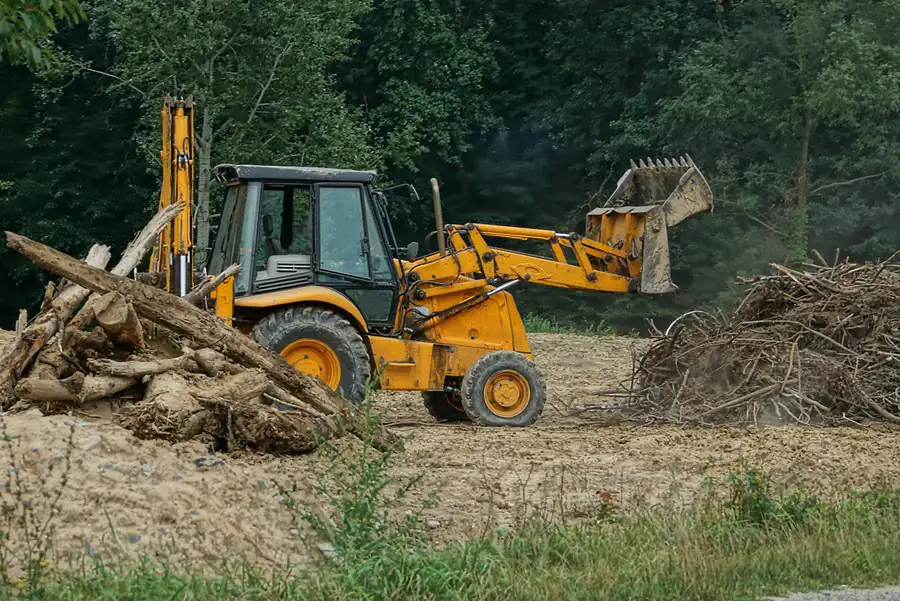
Every building project depends on what lies beneath it. If the ground is uneven or filled with roots and organic material, the structure above can shift or crack. land clearing removes obstacles that may weaken the soil over time.
Clearing the site also improves access. Crews can move equipment safely. Surveyors can measure accurately. Utility teams can install lines without fighting through heavy brush. A well-prepared lot saves time at every stage of the job.
Early Warning Signs Your Site Needs Attention
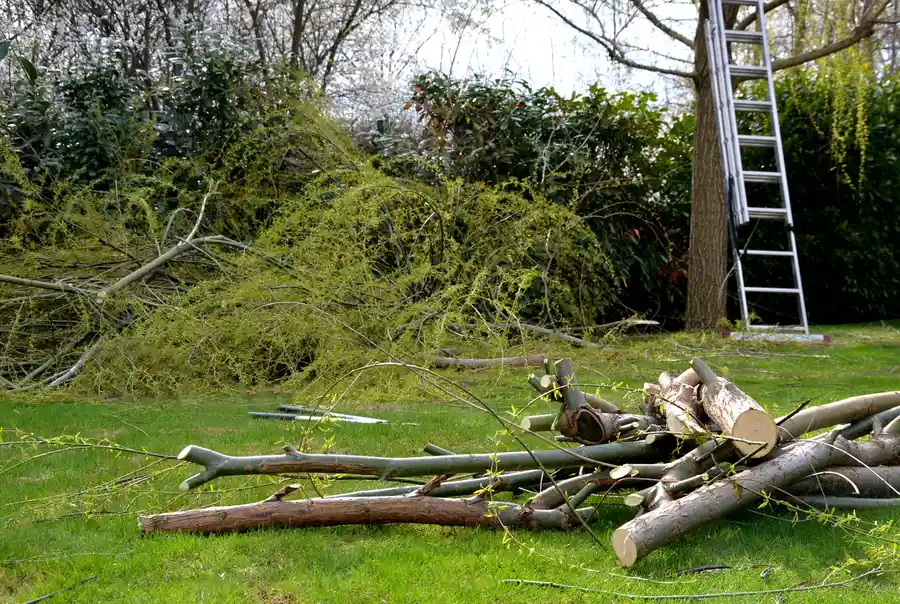
Not every property is ready for building. Some warning signs show that clearing and site prep should happen before any other work begins.
- Thick vegetation or overgrown trees
- Large surface rocks or hidden stumps
- Standing water after rain
- Uneven or sloped ground
- Old structures or debris left behind
If you spot any of these issues, the site likely needs proper land clearing before development. Skipping this step can lead to poor grading and drainage problems later.
Routine Checklist Before Development Begins
A smart site plan includes more than just cutting down trees. It follows a step-by-step process to prepare the ground for construction.
- Survey the land and mark property lines.
- Identify protected areas or utility lines.
- Remove trees, brush, and stumps.
- Clear rocks and construction debris.
- Grade the soil for proper drainage.
- Compact the ground to create a stable base.
This process often falls under a broader service category keyword like site preparation. Each step builds on the last. When done carefully, it helps avoid soil erosion and water pooling.
Best Practices for Long-Term Results
Proper land clearing is not about removing everything in sight. It is about smart removal and control. Crews should protect nearby trees that will stay. They should manage runoff so soil does not wash into nearby areas.
Erosion control measures, such as silt fencing or straw covering, help keep the site stable. Good grading directs rainwater away from the future foundation. These steps protect both the building and the surrounding property.
It also helps to check local rules before starting. Some areas require permits for tree removal or soil movement. Taking care of these details early keeps the project on track.
What Not to Do During Site Clearing
Rushing through land clearing can cause bigger problems later. Common mistakes include:
- Removing too much topsoil
- Ignoring drainage patterns
- Leaving buried stumps underground
- Skipping soil compaction
These shortcuts may save a little time upfront. Over time, they can lead to foundation cracks, uneven settling, or flooding around the structure. Fixing those issues later costs much more than doing the job right at the start.
When to Schedule Professional Help
Small lots with light brush may seem easy to handle. Larger properties or heavily wooded areas are different. Heavy equipment, grading tools, and soil knowledge are often needed for safe and effective land clearing.
If your project involves new home construction, commercial development, or major site work, hiring a trained crew is the safer choice. Professionals know how to clear the land while protecting nearby property and meeting local codes.
Start Your Project the Right Way
In Lincoln Park, NJ, proper site preparation can make the difference between a smooth build and months of setbacks. At A&M Excavating, we handle land clearing with the right equipment and a trained team. We focus on safety, drainage, and soil stability so your project begins on solid ground. Call us at (862) 832-8318 to schedule a consultation and let us help you prepare your site for long-term success.